One line to call
Every Warren bed bug call goes to one number.
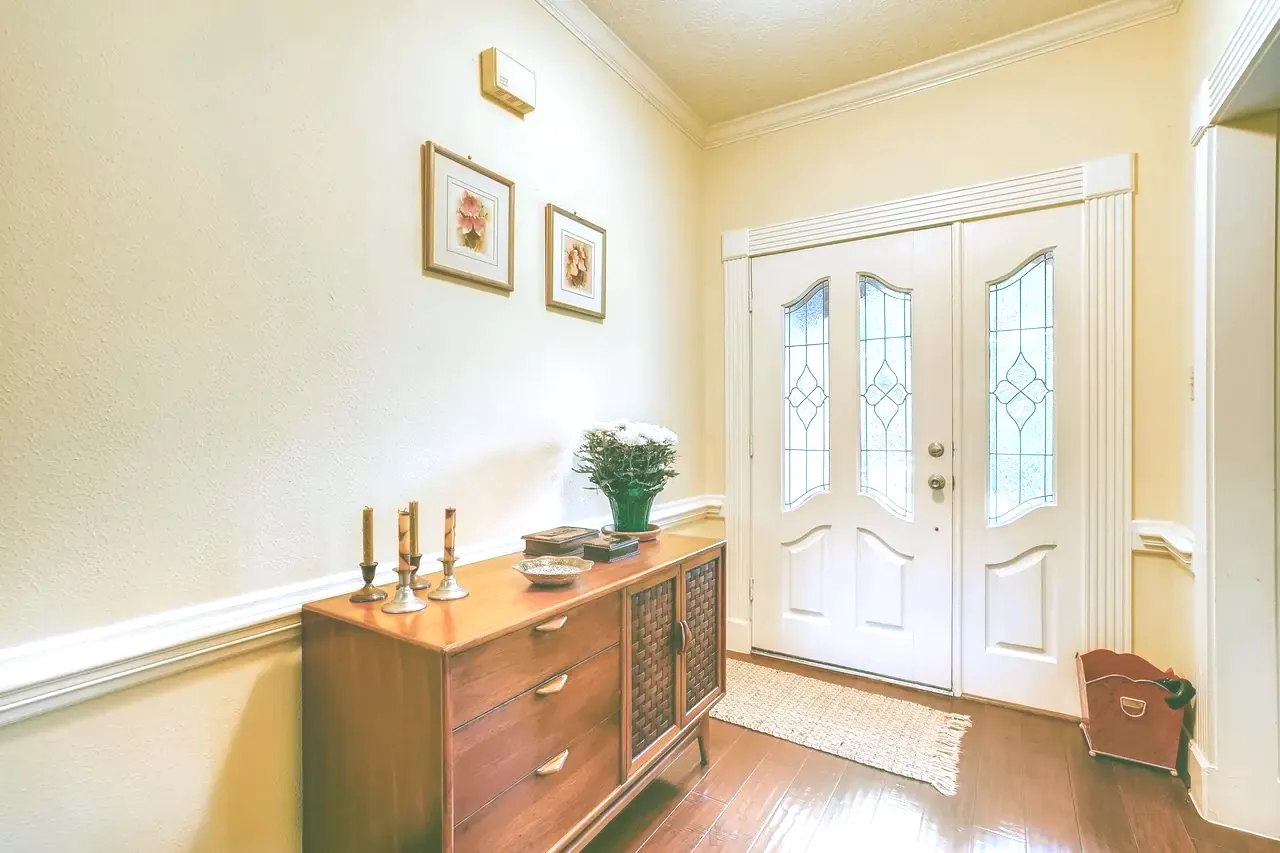
Bed bug follow-up treatment in Warren, MI is the second, and sometimes third, visit in a treatment plan. The provider looks for bugs that hatched after the first round or slipped past it, and treats what is still active. This line connects calls with an independent local provider serving houses, condos, duplexes and apartments in every Warren ZIP. Seen a live bug or fresh bites since treatment? Call and say where.
Every Warren bed bug call goes to one number.
Providers generally inspect before discussing cost.
Calls reach independent companies working in Warren.
Look the firm up on MDARD’s business list.
Expect three parts: the provider looks again, treats where bugs remain and reads the cups. Confirm beforehand which of these the quote already covers.
Seams and tufts of the mattress, the box spring fabric, the bed frame, the headboard, chair cushions and baseboard cracks all get checked again. The provider is hunting for live bugs, eggs, cast skins and spots that were not there last time, confirming each one up close.
Where live bugs turn up, the applicator treats again, usually residual product along frames and edges plus dust in voids. Ask which rooms the visit covers and how a later sighting in a treated room is handled.
Interceptors under the bed legs are emptied and read, and more monitors may go along baseboards or beside a couch. Ask whether new monitors are part of the visit and who checks them in between.
Request dated notes covering what the provider found, the rooms treated, the products used and whether one more visit is advised. Renters and owners can file them with the lease.
Terms for repeat work belong to the provider, not this site. Find out how long coverage runs, which rooms it reaches, what evidence it needs and whether bugs brought in later, on luggage or a used chair, fall outside it. Have the answers written down.
Say what you have spotted and a nearby provider will tell you what comes next.
A follow-up visit is booked when the first treatment is planned, not after something goes wrong. Its job is to confirm the earlier work held and to catch eggs, nymphs or adults that survived. The timing depends on the method and the findings, but around two weeks after a chemical treatment is common. Expect a full re-inspection, treatment of any active area and a check of interceptors and mattress encasements. Ask the provider how long it will run.
No single treatment reaches every bug. Eggs sit glued inside seams and cracks, many products do little to them, and the nymphs that emerge after a spray dries are untouched by it. Bugs hiding in wall voids, outlet boxes or clutter can be missed as well. A new bug may also be a fresh arrival: Michigan's health department calls bed bugs hitchhikers. Requests for re-treatment from anywhere in Warren, from the Warren Village Historic District to Balmoral Park and Bear Creek Village, go to an independent local provider.
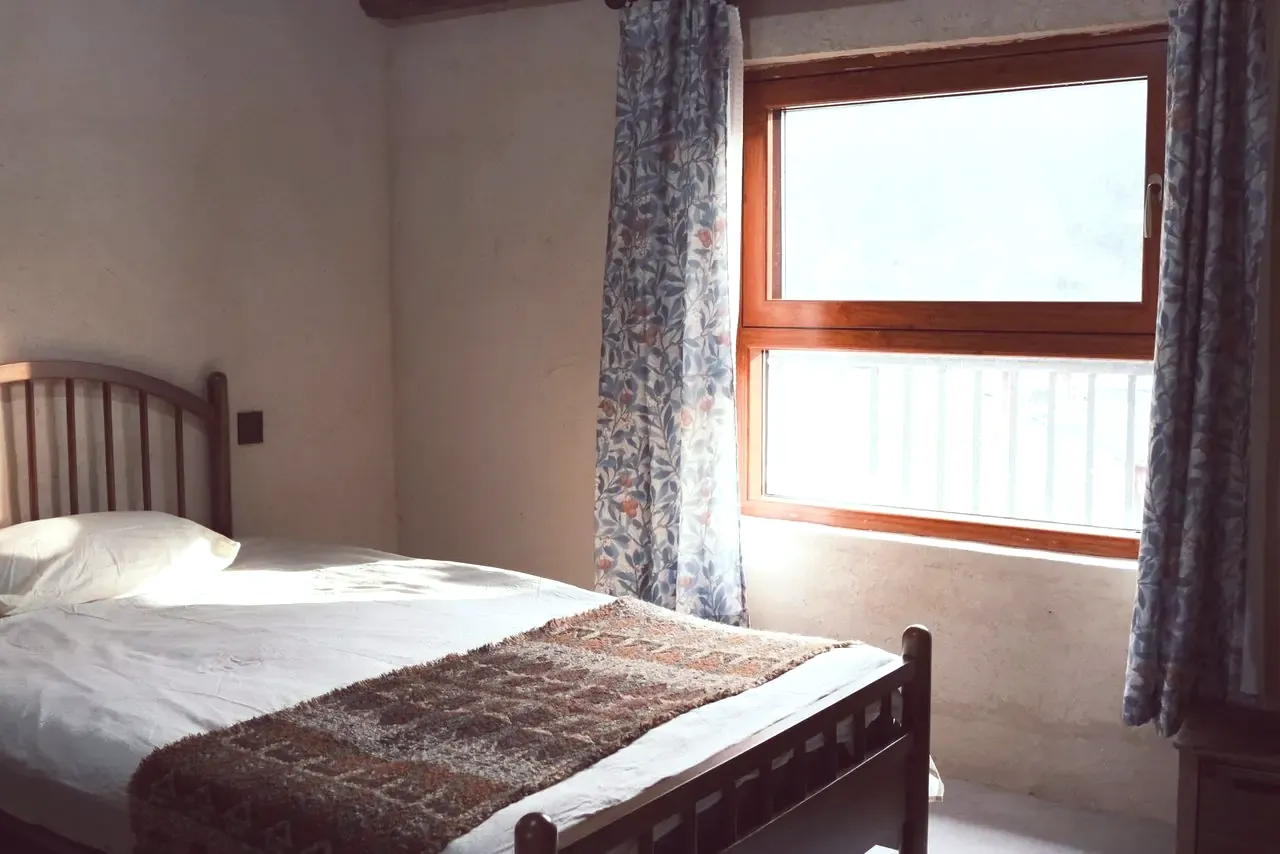
The prep for a return visit is usually lighter than the first time but still matters. Launder bedding and run it through a hot dryer, keep clean clothes bagged, keep beds a few inches from the walls and vacuum along seams and baseboards. Leave encasements zipped and interceptors in place unless the provider says otherwise.
Bedrooms come first, then the rooms and seating around them. The provider works through seams, box springs, frames, headboards, nightstands and baseboards, and empties each interceptor cup to see what it caught. Ask to be shown any spot that is still active so you know where bugs remain and what will be treated.
Each area that still shows activity gets another application, typically residual product on frames and edges and dust in voids and outlet boxes. A different product class may be used if the first one did not hold. Ask when treated rooms can be used again.
Cups under the bed legs are cleaned out or swapped for new ones, and extra monitors may be placed by the couch or along baseboards. Between visits they act as an early warning. Ask how often you should look at them, what a catch looks like and when to send the provider a photo.
Ask for a short written summary before the provider goes: what was found, what was treated and whether a third visit is recommended. Heavy infestations, clutter and shared walls are common reasons a job needs more than two visits. Ask how that call is made and how extra visits are charged.

A bright flashlight and a hand lens help the provider pick out eggs, cast skins and tiny nymphs in seams, folds and corners that were treated the first time.
Mirrors, probes and thin scrapers let the provider see behind headboards and into cracks and outlet openings without taking furniture apart.
Applied to bed frames, baseboards and furniture joints, a residual stays active for a period and affects bugs that cross it after the provider has left.
Puffed into wall voids, outlet boxes and cracks, a fine dust reaches places a liquid cannot. Bugs crossing it dry out, and it can stay effective for a long while if undisturbed.
Each bed leg sits in a cup that traps bugs heading to or from the mattress. Weekly checks between visits reveal whether activity is dropping or continuing.
Bed bug encasements close the mattress and box spring in a zippered shell, trapping any bugs inside and leaving a smooth surface that is quick to inspect. Keep them zipped and replace any torn cover.
Vacuuming with a HEPA filter pulls bugs and eggs from seams; bag the contents and carry them outside at once. Slow passes of steam kill eggs and nymphs in fabric and along trim.
Re-inspection usually follows a fixed order: sleeping areas first, then couches and chairs, closets and finally baseboards and outlets. Every find is checked closely, since an old stain from before treatment is not new activity. Ask which rooms are included and how long it should take.
Residual product covers exposed surfaces such as frames and baseboards, while dust goes where liquid will not, inside voids and cracks. Used together they reach bugs on the move and bugs tucked away. Ask which combination is planned for your return visit and why.
If bugs survived the first product, a provider may move to another class, for example a growth regulator or a product with a different mode of action. Rotating helps when a population tolerates one class. Ask what changed and the reason.
Monitors are placed or refreshed on every return visit. Check them once a week, write down the date and room of anything caught, and take a photo. Ask how long to keep monitoring and which finds mean another visit.
One bug does not prove the treatment failed, but it should be reported to the landlord in writing right away, ideally with the bug sealed in tape. A re-inspection of the apartment, and of the units around it if the owner agrees, shows whether it came from the original bedroom or somewhere else. Active spots are treated again, interceptors go under the beds and both sides get written notes.
Heat kills what it reaches, yet a wall void, a cool corner or a room left out of the treatment can shelter survivors. The bites might also have nothing to do with bed bugs. A re-inspection sorts this out: the provider looks for live bugs and fresh signs, then treats any missed spot, often with residual product or dust, and sets monitors.
An inspection of the empty house, before the truck arrives, can cover each bedroom, the closets and anything the previous occupants left. If signs appear, treatment options can be discussed before a single box comes in. If the house is clear, monitors by the beds give an early warning later. Bed bugs are hitchhikers, so check boxes and secondhand pieces as they come off the truck.
A dated re-inspection can record which rooms were checked and what, if anything, turned up. Any activity is treated, and another visit is booked, before the unit is offered again. The notes belong in the rental file next to the license paperwork. An inspection speaks only for that day, so ask about monitors after the next tenant moves in.
Warren's housing mix shapes how return visits go. The city has 137,928 residents and 57,958 housing units, and the median home was built in 1965. Some 31.6 percent of units went up before 1960 and 83.4 percent before 1980, while 2.7 percent were built in 2010 or later, so cracks along trim and baseboards are a common place to look again. About 28.9 percent of occupied homes are rented; 14.9 percent of units are in buildings with two or more units and 11.3 percent in buildings with five or more. Michigan's health department notes that in multi-unit housing bed bugs can spread from one home to neighboring homes, so providers may spend extra time on adjoining units and on notes for property managers. In single-family houses the focus tends to be bedrooms, couches and anything carried in from outside. Every Warren rental needs a city rental license from the Rental Inspections Division, with a biennial inspection under the International Property Maintenance Code. Pesticide businesses need an MDARD Pesticide Application Business License; look the company up on MDARD's Find Businesses Licensed by MDARD page. Bed bugs are an indoor pest in every month.
The historic district sits around Chicago Rd and Mound Rd in 48092. A return visit rechecks the rooms treated the first time and asks about any new bites.
Balmoral Park is a recorded subdivision in northeast Warren, 48088. Return visits often focus on bedrooms, couches and anything bought used or brought back from a trip, along with the monitors left last time.
Piper Van Dyke and Belanger's Gardens are recorded subdivisions here. Return visits focus on bedrooms and on items brought in from outside.
Bear Creek Village, Fairlane Estates, Northampton Square and Berkshire Manor are recorded subdivisions in 48093. If a store-bought spray came first, say so, since the provider may change product class.
Wall voids and plumbing openings connect neighbors, so a follow-up confined to one apartment can miss where the bugs actually live. Ask whether the units on each side, above and below should be checked in the same visit.
Indoor rooms stay comfortable for bed bugs in January and July alike. Do not push a return visit back to wait for a change in weather; keep the date the provider set and leave monitors in place.
A clean result does not stop new bugs from arriving later in a suitcase, a bag or a secondhand chair. If bugs show up again, tell the provider about any recent trips, guests or used purchases.
Applying employees must be certified applicators or registered technicians. Look the company up on MDARD's Find Businesses Licensed by MDARD page first.
A common situation: some two weeks after the first treatment, a renter finds a bug on the couch, and a child in the second bedroom starts waking with bites. The renter writes to the manager that evening, and a return visit is moved up before the bugs settle in further.
Next, both bedrooms and the couch are checked again, active spots receive residual product and dust in nearby cracks, and cups go under every bed leg. Results depend on prep, clutter and what is happening next door, so monitoring carries on after the visit.
Later on: Check the cups every week, vacuum seams and baseboards often and run bedding through a hot dryer. Report any new bites or catches to the manager and provider in writing, inside the period the provider's terms allow.
A common situation: three weeks after a heat treatment, the owner of a house still finds fresh bites each morning. The bedroom was heated, but bugs may be holding out in the wall behind the headboard or in a room that was skipped. Finding the source takes another inspection.
Next, the headboard wall, outlets and baseboards are checked for live bugs. Dust may be placed in the void behind the outlet cover and gaps sealed. A recheck a few weeks on shows whether the bites have stopped for good.
Later on: Do not disturb dust inside walls. Leave monitors along the headboard wall and swap them when the provider says. Caulk new gaps around trim and outlets, and inspect suitcases on a hard floor after every trip.
A common situation: an apartment has had two treatments, and now the household next door starts finding bites. A shared plumbing chase or wall may have given the bugs a path. The property manager needs a plan that covers both apartments and notes for each tenant file.
Next, both apartments and the chase between them are inspected. Dust goes into the voids, active spots in each unit are treated and separate notes are written for each tenant file. Monitors in both units show whether either still has bugs.
Later on: Agree on a schedule for rechecking the chase and the neighboring units over the next few months. Keep every visit note on file, and remind residents to report bites in writing and to inspect bags after travel.
When a treatment falls short, the cause is usually one of a few. A planned follow-up exists to find each of these early, while the problem is still small.
A handful of surviving females can keep laying eggs, and their young can reach adulthood within weeks, so a small miss grows quietly. The provider re-inspects, tracks down the spots the first round did not reach and treats them, switching product class if needed. Seams, cups and the bug itself help show whether it survived treatment or hatched later. Press the bug onto clear tape and call.
Bugs travel between rooms along baseboards and in clothing, bags and furniture that gets moved around. If only the first bedroom was treated, another room may now be the hot spot. Ask for a re-inspection of every sleeping and sitting area, the closets and any used pieces brought home, with monitors set in each room.
Without written notes the dispute drags on and the renter keeps getting bitten. Michigan law, MCL 554.139, says a landlord covenants that the premises are fit for the use intended and kept in reasonable repair; this site draws no conclusion about bed bugs. Warren rentals need a city rental license with a biennial inspection under the International Property Maintenance Code. Ask the provider for dated notes and give both sides copies.
A spray can kills the bugs it hits and little else; eggs and bugs deep in cracks survive, and Michigan's health department warns that bug bombs are not effective at killing bed bugs. When the bites return weeks later, that product type may work even less well. The provider re-inspects, maps the remaining activity and may pick another product class. Say what you sprayed and where.
Set by the provider after inspecting; return visits may already be in the first quote
This site does not set or quote any cost. Many providers build one or more return visits into the first treatment, while a standalone visit, like a second opinion or a check before moving in, is quoted separately. What drives the figure: the number of units, the size of the home, how cluttered it is, whether units next door need inspecting and which methods are used. Ask for the quote in writing, including what an unplanned extra trip would cost.
The follow-up is mainly a careful second inspection with a written result, which is much less work than starting over or replacing a bed. Ask which terms apply if a treated room shows bugs again, and how long they last.
One apartment takes less time than a row of them. Every extra unit adds inspecting, treating and paperwork, so owners with several units in one building should ask for a single quote covering the whole building.
A one-bedroom unit is quicker to go over than a three-bedroom house with a finished basement. More space usually means more product too, which the quote will reflect.
Piles on the floor slow the re-inspection and give bugs places to hide. Unwashed bedding or beds left against the wall can add time or another pass. Following the prep sheet closely keeps the visit shorter and simpler.
Where walls are shared, the apartments on either side may need a look. Ask whether those checks appear on the quote as separate lines. Inspecting next door is often the quickest route to the source of a stubborn problem.
Moving to a different product class after the first one fell short, such as adding a growth regulator, can change the figure. Ask what the switch is meant to fix and how the quote changes.
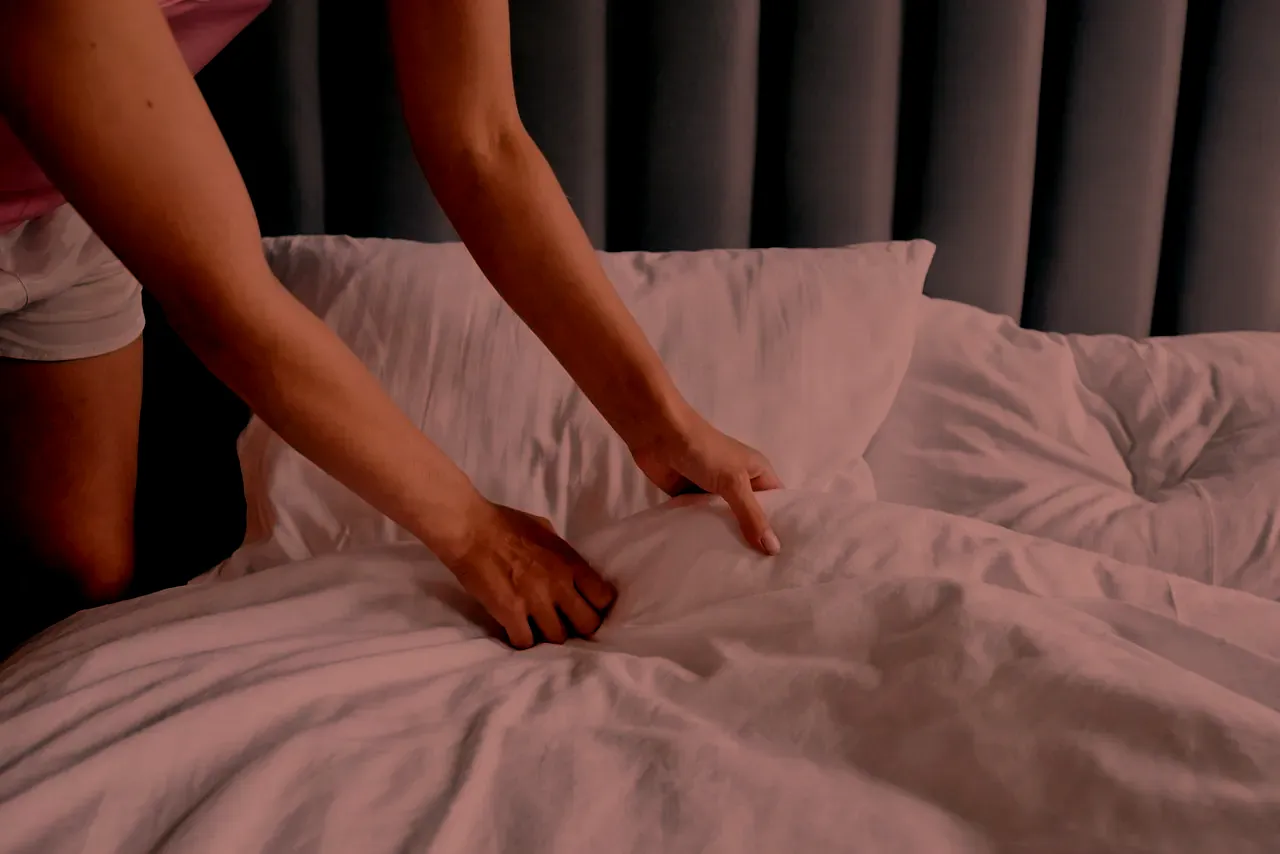
This site is a referral service, not a pest control company, and it holds no pesticide license. What you can do is check the provider before the return visit. In Michigan, the MDARD Pesticide Section licenses businesses that apply pesticides for hire, and each employee who applies product must be a certified applicator or a registered technician. Search the company on MDARD's Find Businesses Licensed by MDARD page. Michigan's health department adds that bug bombs are not effective at killing bed bugs, which is one reason to rely on a licensed provider. Ask for license details, the products used and re-entry times in writing, and confirm insurance before work starts.
A family in a condo finds one live bug on a pillow roughly two weeks after treatment. The bug goes on tape, the date goes in a notebook, and the call goes to the provider. The return visit re-checks the bed and box spring, treats any active spot and looks at what the interceptor cups have caught so far.
In one rental house, the tenant keeps reporting bed bugs after two rounds. The owner asks the provider to re-inspect every room, look into the wall voids and outlet boxes and check any furniture the tenant brought in. Written notes go to the tenant file, and monitors stay in place for months.
A renter who noticed new bites is about to renew the lease and wants an independent look at the rooms treated last month. The provider explains what a re-inspection covers and puts the findings in writing. Since one inspection reflects only that day, cups under the bed legs are a sensible next step. No one should push for work that is not needed.
Contact the provider promptly, and if you rent, notify the landlord in writing too. Terms vary: some providers return for a set period after treatment, others charge per trip. At the re-inspection the provider sorts live bugs from old debris and treats what is active. Late-hatching eggs are a frequent cause, and so are new bugs riding in on luggage, bags or used furniture.
In most cases, yes. A first treatment removes many bugs, but eggs and bugs tucked deep in cracks can come through, and eggs hatch afterward. A follow-up timed after hatching reaches those nymphs before they can breed. Without it, nobody knows whether the treatment worked until bites return.
That varies with the size of the infestation, the method and the prep. Two visits is a common plan, but heavy cases, crowded rooms and shared walls can take more. After each visit, ask whether another is needed and what the provider saw that points to it. Extra visits should be justified by findings, not sold.
There is no single figure, and this site does not give one. Return visits are often part of the first treatment's quote. A standalone visit, such as a second opinion or a check before move-in, is quoted by the provider after hearing the details. Unit count, home size, clutter, whether units next door are involved and how well the home was prepared all play a part.
Have a question that is not covered? A provider reached through this line can explain urgency, timing and prep.
Put it to a provider
Before any method is picked, an inspection searches seams, frames, furniture and baseboards for live bugs, eggs, cast skins and dark spotting. Unsure whether bed bugs are the problem? Start here, because what it finds shapes both the treatment and the follow-up.
View service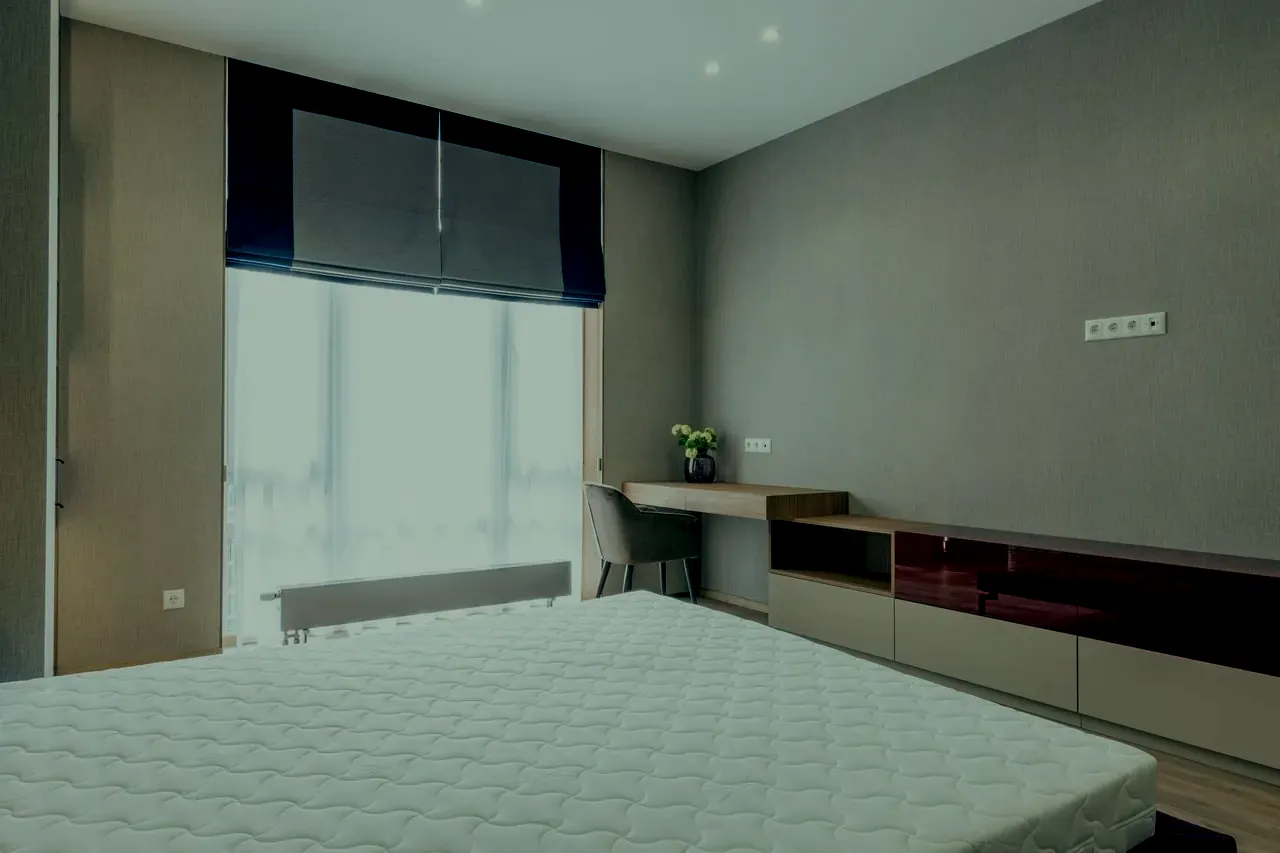
Heat raises a room or whole unit to a temperature bed bugs cannot survive, reaching every life stage in the heated space. Bugs in wall voids or cooler spots can still escape, so providers often add a residual and a return inspection.
View service
With chemical treatment, a licensed applicator puts residual product along frames and edges and dust into cracks and voids. Because eggs often survive the first application, the return visit is what makes this method work, catching nymphs that hatch afterward. Ask when treated rooms can be used again.
View service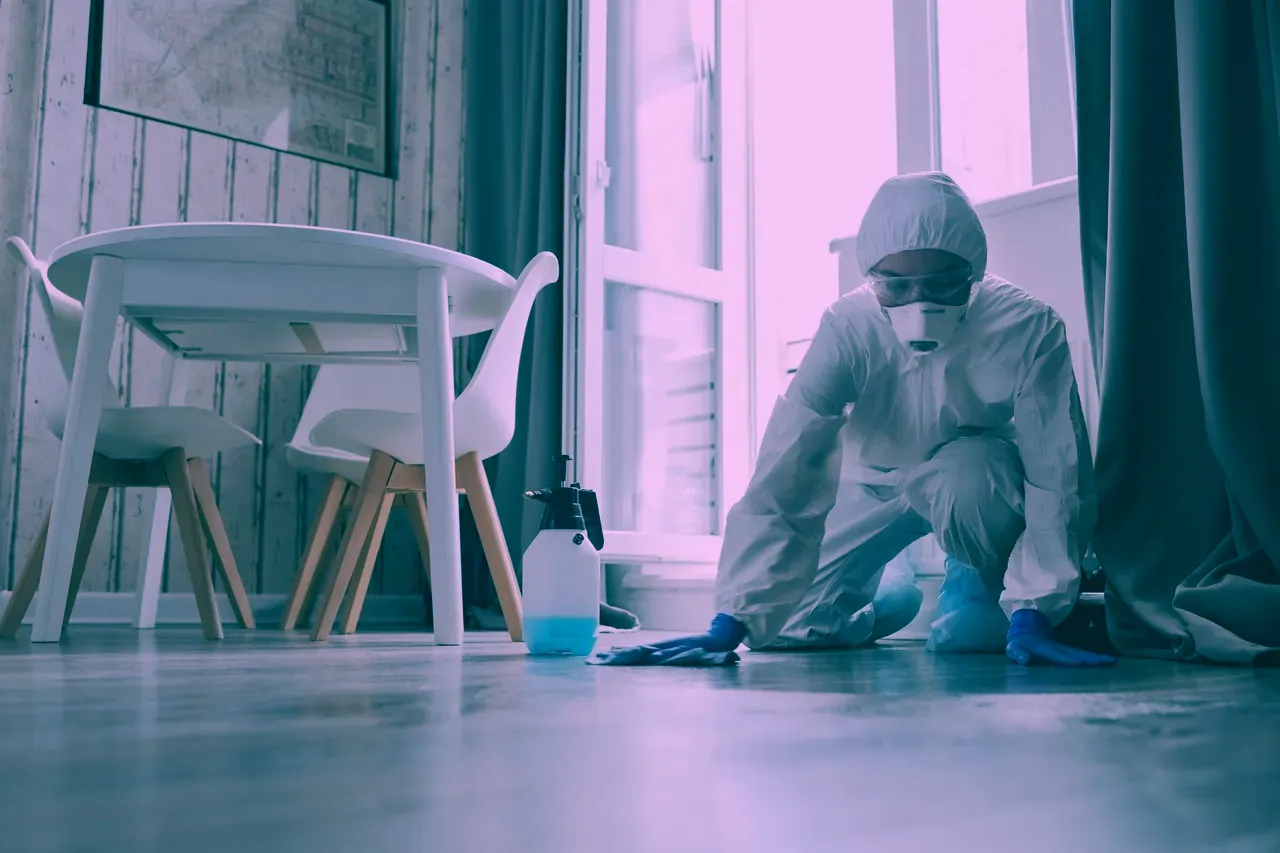
Shared walls and pipe openings let bed bugs move between apartments and duplex halves. Apartment work therefore involves the property manager, checks of adjoining units and notes for each lease file. In Warren, 11.3 percent of housing units sit in buildings with five or more units, where one missed apartment can reinfest its neighbors.
View serviceOnce you dial, a call-tracking service routes the call, which may be recorded, to an independent provider that works in Warren. Lines are open 7 a.m. to 1 a.m. Eastern Time (8 a.m. to 2 a.m. during daylight saving time). Booking the inspection and naming the cost are left to that provider.